Building a city where physical activity is part of everyday life, ahead of the 30th TAFISA World Congress in 2027.
What makes a city active? It is not only the availability of sporting facilities. It is also whether people have accessible spaces, supportive environments and everyday opportunities to walk, cycle, play and participate in physical activity.
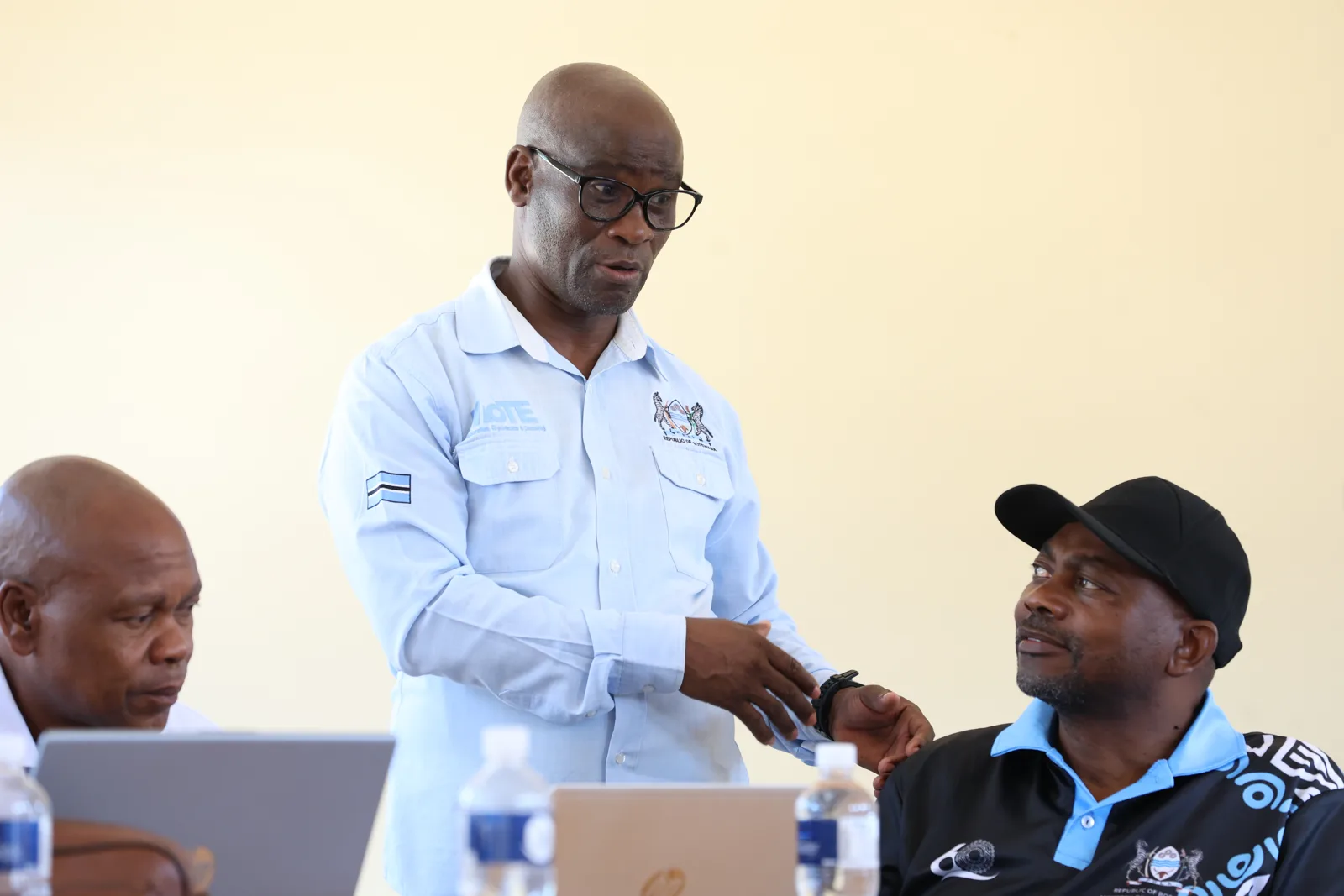
These questions were central to the Active City workshop held in Gaborone on 15–16 October 2026, in partnership with Gaborone City Council, as part of the wider activities surrounding the TAFISA Board visit to Botswana.
The workshop brought together stakeholders, including representatives from the Ministry of Health and the Ministry of Sport and Arts (MOSA), to examine Gaborone’s existing assets, understand local priorities and explore how the city could strengthen its approach to physical activity.
The process began by recognising what Gaborone already has. This includes its people, institutions, public spaces, sport facilities and community initiatives that can contribute to a more active urban environment.
Building on these strengths requires collaboration across sectors. City planning, health, sport, transport, education and community development all influence whether residents can access opportunities to be physically active in their daily lives. The workshop provided an opportunity for stakeholders to discuss how they could work together, identify areas for improvement and develop the systems needed to support a more coordinated approach to physical activity.
Working towards Global Active City recognition
An important ambition is for Gaborone to progress towards certification through TAFISA’s Global Active City (GAC) initiative. The programme provides a framework for cities to make physical activity, health and wellbeing central to urban development.
If successfully certified, Gaborone would join an international network of recognised cities, including Buenos Aires in Argentina, Hamburg in Germany, Lausanne in Switzerland, Ljubljana in Slovenia, Lillehammer in Norway, Richmond in Canada, Limerick in Ireland and Riyadh in Saudi Arabia.
More significantly, Gaborone has the opportunity to become Africa’s first certified Global Active City, potentially providing an example for other African cities seeking to create healthier, more active and inclusive communities.
Achieving certification requires more than having sport facilities and physical activity programmes. It involves establishing effective policies, cross-sector partnerships, implementation systems and monitoring processes that support physical activity across different aspects of city life.
The workshop was therefore an important opportunity to consider Gaborone’s existing strengths, identify areas for development and explore the steps needed to progress towards this ambition.
Investing in active futures
As Gaborone prepares to host the 30th TAFISA World Congress from 18–20 October 2027, the Global Active City initiative presents an opportunity to connect the Congress theme, “Sport for All: Investing in Active Futures,” with practical action at city level.
The ambition is to ensure that the benefits of hosting the Congress extend beyond the event itself. By strengthening partnerships and developing systems that support physical activity, Gaborone can work towards a future where movement is not limited to organised sport, but becomes an accessible part of everyday life.
For residents, this could mean better opportunities to walk, cycle, play, exercise and participate in community activities. For the city, it means recognising physical activity as an important contributor to health, inclusion, wellbeing and quality of life.
Gaborone’s journey towards Global Active City certification is an opportunity to build on what already exists, strengthen collaboration and establish a lasting commitment to more active communities.
By Game Mothibi